Flower Signature: A Handwritten Typeface for Editorial Elegance
In the world of editorial design, choosing the right typeface can make or break a publication’s visual tone and reader experience. When it comes to creating a sense of warmth, personality, and sophistication, Flower Signature, a beautiful handwritten font from Script Amp, stands out as an excellent choice. This premium script typeface brings a human touch to digital and print content, making it ideal for bloggers, magazine designers, ebook creators, and anyone focused on crafting visually appealing, reader-friendly materials.
What Makes Flower Signature Unique?
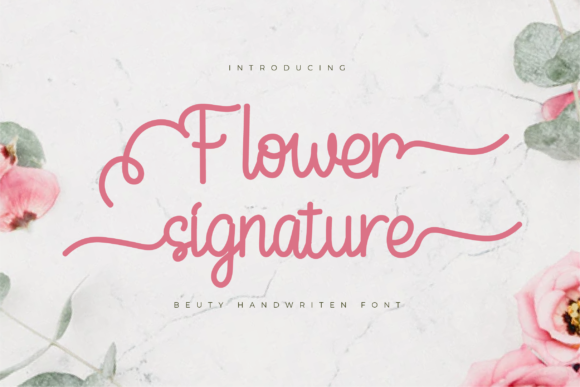
Flower Signature is more than just a decorative font—it's a versatile tool that adds character without sacrificing clarity. Its elegant strokes and subtle variations in weight and flow mimic the organic feel of real handwriting, giving your publications a personal and artistic flair. The font’s delicate curves and floral-inspired nuances evoke a sense of creativity and care, making it especially well-suited for niches like lifestyle, wellness, wedding design, and literary content.
Despite its ornate appearance, Flower Signature maintains enough legibility to be used effectively in short runs of text. It avoids the pitfalls of overly stylized scripts by ensuring each letterform remains distinct and readable at various sizes. This balance between beauty and functionality is what makes it a standout in the crowded world of display fonts.
Flower Signature in Editorial Design
Whether you're designing a blog post layout, a magazine cover, or a printable worksheet, Flower Signature can help you establish a unique visual identity. Here are some practical applications:
- Blog Headers: Use Flower Signature for article titles or section headers to create a welcoming, personal tone that draws readers in.
- Magazine Covers: Its expressive style works beautifully for front covers, especially in niche magazines with a creative or artistic focus.
- Ebook Titles: Elevate the presentation of your ebook title pages with this signature-style font. It adds a refined elegance that sets the stage for engaging content.
- Newsletter Graphics: Incorporate it into feature headlines or pull quotes to guide the reader’s eye and highlight key messages.
- Quote Layouts: Pair Flower Signature with clean body text to craft compelling quote graphics—perfect for social media or website features.
- Chapter Openers: In longer publications such as guides or workbooks, use it to introduce chapters and sections, adding a touch of artistry while maintaining structure.
Creating Visual Hierarchy and Mood
One of the most important aspects of editorial design is establishing a clear visual hierarchy. Flower Signature excels in this role when used for accent typography, helping to distinguish headings, pull quotes, and other prominent elements from the body text. Its expressive nature naturally commands attention, which is essential for guiding readers through complex layouts.
This font also contributes to the overall mood of your publication. With its soft, flowing forms, it can convey a sense of intimacy, inspiration, or celebration—depending on how you apply it. For instance, in a wedding guide, it might appear in invitations or romantic captions; in a coaching workbook, it could lend a gentle, encouraging tone to motivational passages.
Readability Across Platforms
When selecting a font for publishing, it's crucial to consider how it performs across different mediums. Flower Signature is designed with responsiveness in mind, adapting well to screen reading, PDF exports, mobile layouts, and print. While it's not recommended for long-form body text due to its script characteristics, it shines in shorter typographic elements where visual impact matters most.
On digital platforms, ensure the font is used in high-contrast settings to maintain readability. In print, opt for smooth paper finishes to showcase the fine details of each stroke. By testing the font across your target formats, you’ll find optimal placement and styling that enhances both aesthetics and usability.
Font Pairing for Editorial Balance
To achieve harmony in your layouts, pairing Flower Signature with complementary fonts is essential. Since it functions best as a display font, consider combining it with a readable serif font for body copy or a modern sans serif for navigation and captions. For example:
- For Lifestyle Blogs: Pair with a warm, rounded serif like Playfair Display or Georgia to keep the overall tone inviting and approachable.
- For Recipe Ebooks: Use alongside a structured sans serif like Lato or Open Sans for ingredient lists and step-by-step instructions.
- For Wedding Guides: Combine with a sophisticated serif like Cinzel or Merriweather for invitations and formal announcements.
These pairings allow Flower Signature to take center stage where it belongs—on headlines, pull quotes, and branding elements—while ensuring the rest of your content remains easy to read and navigate.
Brand Identity and Consistency
Fonts play a vital role in shaping brand identity. If your publication or content brand leans toward the handwritten font aesthetic, Flower Signature can become a cornerstone of your visual language. Its consistent rhythm and style allow it to be used across multiple assets—covers, headers, logos, and lead magnets—without feeling disjointed.
Imagine using Flower Signature for the title of a digital magazine and then reusing the same style in your email newsletter subject lines or social media teasers. This kind of consistency builds recognition and reinforces your brand’s personality. Just be sure to limit its use to appropriate contexts to avoid overwhelming the reader or diluting your message.
Practical Applications for Content Creators
Here are a few ways Flower Signature can enhance your next project:
- Lifestyle Blog: Use it for featured post titles or category headers to add a personal touch that resonates with readers.
- Recipe Ebook: Apply it to chapter titles or section headers like “Breakfast Inspirations” or “Weeknight Wonders,” making the content feel curated and thoughtful.
- Wedding Guide: Let it shine in invitation templates, thank-you cards, or ceremony signage to capture the romance and individuality of each couple’s story.
- Coaching Workbook: Employ it for motivational quotes, goal-setting prompts, or page headers to inspire action and reflection.
- Digital Magazine: Feature it in the masthead or special issue titles to give your publication a distinctive edge.
- Printable Planner: Integrate it into daily section headers or themed spreads to add charm and visual interest.
- Creator Newsletter: Use it sparingly for call-out boxes or featured topic highlights to make certain content pop without cluttering the design.
Each of these examples demonstrates how Flower Signature can support your creative goals while staying true to editorial principles. It’s not about going overboard with flourishes but rather using them strategically to elevate specific elements of your publication.
Design Assets and Multilingual Support
Script Amp ensures that Flower Signature includes a comprehensive set of glyphs, ligatures, and alternates. These design assets give you flexibility in tailoring the font to match the voice and tone of your content. Whether you need stylistic variants for a signature line or multilingual support for international audiences, the font offers the tools to adapt it to your needs.
The presence of alternate characters and ligatures allows for subtle customization in headings and quotes. You can mix and match styles to reflect different moods or themes within your publication, all while maintaining a cohesive look.
Commercial Licensing Considerations
If you’re planning to use Flower Signature in any commercial context—such as selling ebooks, printables, newsletters, or client-facing publications—it’s important to verify the licensing terms. Script Amp provides clear commercial usage rights for many of their fonts, including this one, but always review the license agreement to ensure it aligns with your intended application.
Proper licensing isn’t just a legal requirement; it’s part of professional responsibility. Knowing what you can and cannot do with a font helps you protect your own work and respect the efforts of the designers who created it.
Final Notes on Flower Signature
As a creative font, Flower Signature invites you to think beyond standard typography choices. It’s particularly effective in projects where the visual tone needs to reflect authenticity, emotion, or a touch of artistry. From the first glance on a magazine cover to the closing signature on a downloadable worksheet, this font adds a level of refinement that speaks directly to your audience’s senses and sensibilities.
Its strength lies in its ability to enhance publication branding and improve reader engagement without compromising on clarity. As with any display font, it’s best reserved for short bursts of text where its beauty can truly shine. When used thoughtfully, Flower Signature becomes more than just a typeface—it becomes a signature element of your editorial voice.